• Skip to main content
  • Skip to footer
All Things Motherly

All Things Motherly

Lactation Services

  • Home
  • About
  • Services
    • Virtual Consultations
  • Blog
    • Pregnancy
    • Baby
    • Toddler
    • Labor & Delivery
    • Motherhood

Home

Enjoy a beautiful breastfeeding journey with All Things Motherly

Breastfeeding doesn’t have to be stressful and difficult. All Things Motherly can provide the support you need.

mother breastfeeding her baby on the bed

Why should you work with a Certified Lactation Counselor?

Working with a CLC is essential for mothers navigating the complex world of breastfeeding. Our expertise goes beyond basic support; we provide personalized guidance tailored to your unique needs & challenges. Whether you’re dealing with latch issues, concerns about milk supply, or simply seeking reassurance, we’re here to empower you with evidence based strategies & practical solutions.

woman in white top carrying baby

What we provide

✓Knowledge
✓ Skills
✓Support

You deserve support & guidance

Breastfeeding is always said to be instinctual. However, it doesn’t always come naturally. Breastfeeding is a skill that can be taught to both you and your baby.

young woman breastfeeding a baby daughter on a bedroom rug

Nourish with Confidence: Your Journey to Successful Breastfeeding Starts Here!

Schedule your virtual lactation consultation today and unlock the support and guidance you need for a confident breastfeeding experience!

Book Now

All Things Motherly Merchandise

Shop Now!

breastfeeding baby
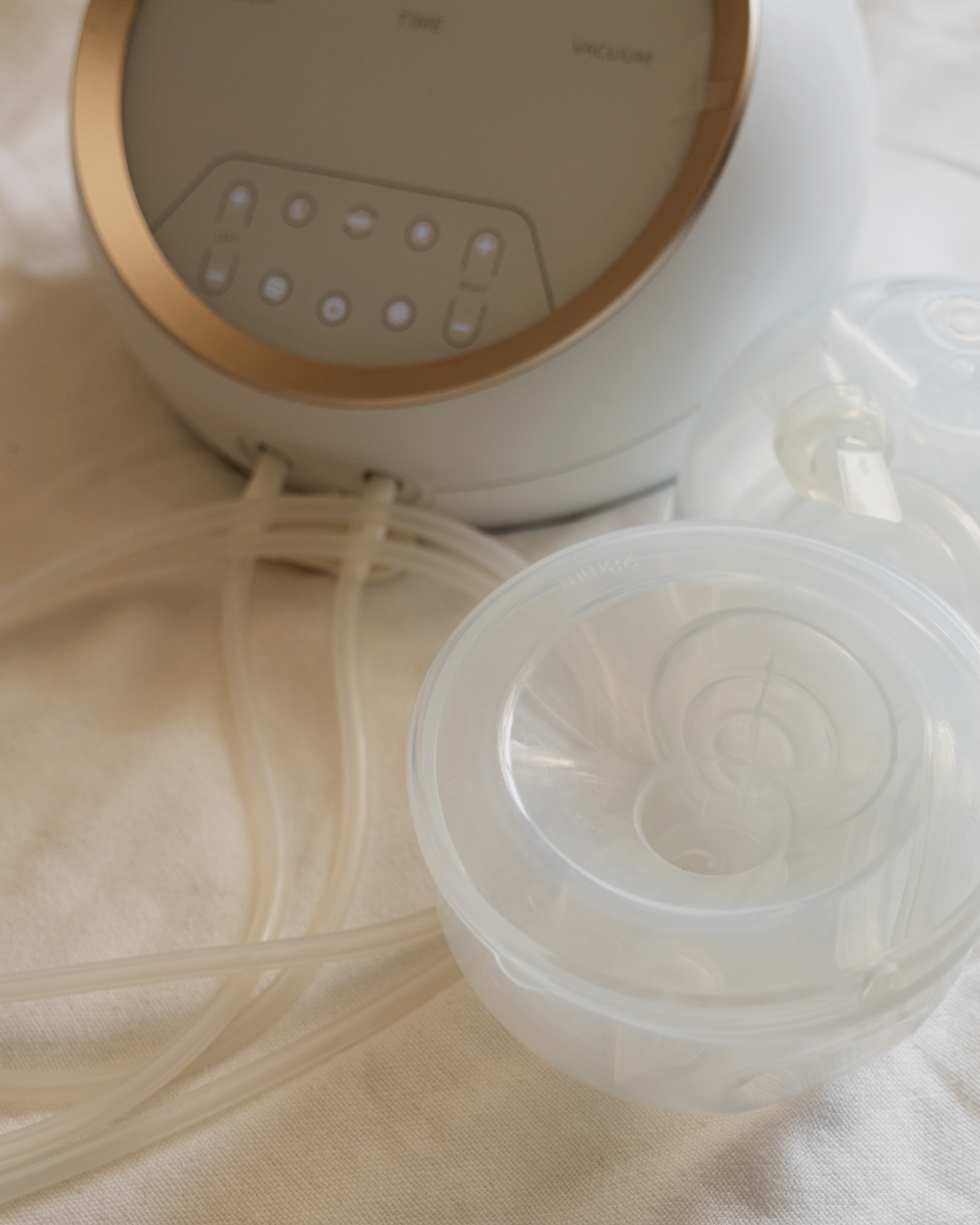
breast pumping
common breastfeeding issues
increase breast milk supply

Check out our new eBooks!

all_things_motherly

Here to support & guide you on your breastfeeding journey! 🤱
CLC | Virtual & In-Person Support | NJ📍
IBCLC In Training 📚

Milk spilling out of the mouth? Clicking sounds du Milk spilling out of the mouth? Clicking sounds during a feed? Downward spiral of gas and fussiness? 👇

When a baby struggles at the bottle, the most common advice is “just change the nipple flow.” But as a CLC, I always look deeper—because a flow issue and oral dysfunction often look identical on the surface.

Here is how to decode what your baby is trying to tell you:

🍼 IS IT A HIGH FLOW RATE?
When a nipple flows too fast, milk pours into the mouth faster than a baby’s swallow-breathe cadence can manage. To protect their airway, they often break their lip seal to take quick gasps. This loss of vacuum forces them to gulp down air pockets alongside the milk, leading to clicking sounds, severe gas, and reflux-like distress.

👅 COULD IT BE ORAL DYSFUNCTION?
If a baby has a structural restriction (like a tongue or lip tie) or poor oral tone, they struggle to create a vacuum seal. This causes milk to leak out the sides and creates a “clicking” sound as the tongue repeatedly loses suction—even on a slow flow nipple.

💡 HOW TO TELL THE DIFFERENCE:

1️⃣ Step One: Shift to Paced Bottle Feeding (upright positioning, bottle parallel to the floor) and drop down to a slow-flow or preemie nipple. 
2️⃣ Step Two: Observe. If changing the flow and position instantly resolves the clicking, spilling, and distress—you solved it! 
3️⃣ Step Three: Assess. If your baby continues to click, spill milk, swallow air, or show signs of distress even on the slowest flow, this is your sign to seek an in-person evaluation with a CLC/IBCLC or pediatric OT/SLP specializing in infant feeding. 

Bottle feeding should be a calm, manageable experience for both of you. You don’t have to play the guessing game alone! 🤍

Have you noticed clicking or milk spilling during your baby’s feeds? Drop your questions below! 👇

#bottlefeeding #breastfeedingsupport #breastfeedingtips #newmomtips
The “empty bottle panic” is so real, but it’s ofte The “empty bottle panic” is so real, but it’s often a pacing issue—not a hunger issue.

When a breastfed baby is fed from a bottle, gravity does most of the work. If the bottle is held vertically, the milk pours out rapidly. Baby is forced to gulp quickly just to keep up and breathe. 

When the bottle is suddenly empty 5 minutes later, baby often cries, roots, or sucks frantically on their fists. 

Naturally, we panic and think, “Oh no, they need another 2 ounces!” 

But biologically, here is what is actually happening:

1️⃣ THE 20-MINUTE LAG: Just like adults, it takes about 15–20 minutes for a baby’s brain and gut hormones to communicate that they are full. If they finish a bottle in under 10 minutes, their brain literally hasn’t caught up to their stomach yet.

2️⃣ THE UNSATISFIED SUCKING REFLEX: Babies have a strong, non-nutritive sucking urge that helps soothe their nervous system. When they nurse at the breast, they suck actively for 15-30 minutes. If a bottle is gone in a flash, their neurological need to suck hasn’t been met—even if their belly is full.

How to fix this: PACED BOTTLE FEEDING.

✨ Keep the bottle horizontal (parallel to the floor) so the nipple is only half-full of milk. This forces baby to actively suck to get milk, mimicking the breast.

✨ Use a true slow-flow (size 0 or 1) nipple, regardless of baby’s age.

✨ Let the feed take 15–20 minutes. Pause frequently, burp baby, and let them rest. 

This simple shift prevents overfeeding, protects your pumped milk stash, and keeps your baby comfortable! 🤍

Have you noticed your baby gulping bottles down too fast? Let’s chat in the comments! 👇

#breastfeedingsupport #lactationsupport #lactationhelp  #breastfeedingtips
Birth trauma is not an event that gets left behind Birth trauma is not an event that gets left behind in the hospital. It follows a mother home, deeply impacting how she heals, how she bonds, and how she feeds her baby. 

During Birth Trauma Awareness Week, we need to talk about the silent hurdle so many mothers face: how traumatic birth experiences directly interfere with the breastfeeding journey. 

When a birth is traumatic—whether due to an emergency intervention, feeling unheard, or experiencing physical injury—the nervous system enters a state of high alert. 

This has a massive, biological ripple effect:

🧠 DELAYED MILK TRANSITION: The chronic flood of adrenaline and cortisol (stress hormones) can actively delay the hormonal shift required for milk to come in, leaving mothers feeling like their bodies “failed” them before they even started.

🧠 INHIBITED LETDOWNS: Oxytocin, the hormone responsible for releasing milk, is incredibly shy. It requires a feeling of safety, warmth, and relaxation. When a mother is experiencing hypervigilance or flashback loops, her letdown reflex can stall.

🧠 TOUCH AVERSION: Breastfeeding requires profound physical vulnerability. For a mother whose bodily autonomy was stripped away during labor, intense, constant skin-to-skin and latching demands can feel incredibly triggering. 

How can we support mothers better?

First, we must protect the mother’s peace. While supporting your breastfeeding goals is incredibly important, your mental and emotional wellness is the absolute foundation of your family. Healing from a difficult birth requires gentle, pressure-free support, not rigid expectations. 

Second, we need trauma-informed care. As a CLC, my goal is always to restore a mother’s agency. That means no unconsented touching, no pressure, and always holding space for the emotional weight she is carrying.

If your birth story was heavy, please know this: Your feelings are valid. You are not failing. You are surviving, and healing is possible. 🤍

If you need a safe, gentle space to navigate your feeding journey, please reach out. Link in bio to book a gentle, trauma-informed virtual consultation.

#birthtraumaawareness #birthtrauma #breastfeedingsupport
The “satisfying” videos you see online are actuall The “satisfying” videos you see online are actually doing more harm than good.👇

If you search “how to clear a clogged duct” on TikTok or Instagram, the top result is almost always the Haakaa filled with warm water and Epsom salts. It looks magic because you see strings of milk pull out. 

But as a CLC, I need you to know why the Academy of Breastfeeding Medicine explicitly advises AGAINST this:

1️⃣ IT’S PATHOLOGY, NOT A PLUG: A “clog” is not a physical solid plug of dried milk. It is localized tissue inflammation and swelling (edema) compressing the duct. 

2️⃣ MACERATION RISK: Epsom salt is chemically harsh on mucous membranes. Soaking your nipple in it under continuous suction macerates the skin. This damages the skin barrier and creates an easy entry point for bacteria (which is how a clog turns into bacterial mastitis).

3️⃣ INTENSE SUCTION WORSENS EDEMA: Pulling heavily on already inflamed, swollen breast tissue with continuous silicone suction causes fluid to rush to the area, actually worsening the swelling and pinching the duct even tighter.

What to do instead to get real relief:

✨ Stick to the B.A.I.T. protocol: Breast rest (nurse on demand), Anti-inflammatories (Ibuprofen) to bring down the tissue swelling, Ice packs after feeds, and Tylenol for pain. 

Your delicate tissue deserves gentle care, not aggressive vacuuming. 🤍

Did you try the Haakaa trick before you knew this? Let’s talk in the comments! 👇

#BreastfeedingSupport #lactationsupport #NewMomLife #breastfeeding #newmomtips
Pain is information, not a requirement. ⬇️ One of Pain is information, not a requirement. ⬇️

One of the most harmful pieces of advice circulating the breastfeeding world is that you just have to “tough it out” until your nipples desensitize. 

Let’s clear this up from an evidence-based perspective: nipple tissue does not “toughen up” like the skin on the bottom of your feet. It is delicate mucous membrane. If it is cracking, bleeding, or causing you to white-knuckle your way through a feed, it is a sign of mechanical friction.

When breastfeeding hurts, it usually points to one of two things:

1️⃣ AN INOPTIMAL LATCH: The baby is likely clamping down too close to the tip of the nipple instead of getting a deep, asymmetric mouthful of the breast tissue. If the nipple comes out of your baby’s mouth looking compressed, flattened, or shaped like a new lipstick, the latch needs adjusting.

2️⃣ STRUCTURAL OR ANATOMICAL CHALLENGES: Sometimes a shallow latch is driven by oral restrictions (like a tongue or lip tie) or body tension from birth positions that make it hard for baby to open wide.

Tucking silverette cups in your bra and slathering on lanolin treats the symptom, but it won’t fix the cause. 

If feeding is hurting, you don’t have to just endure it. Let’s get to the root of the issue together. 

✨ Click the link in my bio to book a 1-on-1 Virtual Lactation Consultation so we can get you feeding comfortably!

Did anyone tell you that pain was “normal” when you started? Let’s break the cycle in the comments. 👇

#postpartumcare #breastfeedingtips #newborntips #breastfeedingsupport #newmom
The world feels completely still, but between the The world feels completely still, but between the two of you, an entire language is being spoken. 🤍👇

In the early months, those middle-of-the-night feeds can feel exhausting. But biologically, they are some of the most profound moments of your journey.

It’s not just about the calories. 

✨ When your baby breathes against your skin, your body absorbs their pathogens and custom builds antibodies into your milk for the next feed.

✨ The high prolactin levels at night aren’t just producing milk; they are actively triggering deep, calm bonding hormones for both of you, helping you both drift back to sleep.

✨ To the rest of the house, it’s just the middle of the night. But to the baby in your arms, your heartbeat and your warmth are safety, home, and everything they know.

If you are reading this during a late-night feed: you are doing an incredible job. Take a deep breath. This season is passing, but the foundation you are building is permanent.

Tag a momma who needs a little middle-of-the-night encouragement right now. ✨👇

#BreastfeedingJourney #MotherhoodUnplugged #NewMomLife #BreastfeedingSupport #breastfeedingsupport
Fullness is normal. Tricking your body into hyper- Fullness is normal. Tricking your body into hyper-lactation is a trap!👇

In the early weeks postpartum (or during major growth spurts), your breasts go through a period of intense vascular engorgement. It feels heavy, hard, and uncomfortable. 

The most common impulse? Hook up the breast pump and pump until everything feels completely empty and soft. 

But here’s the evidence-based reality: your body is paying attention to demand. If you pump heavily on top of nursing your baby normally, you are sending a loud signal to your brain to produce milk for twins. 

This creates an accidental oversupply, which puts you at a much higher risk for tissue inflammation, fluid backup, and painful clogs.

How to handle the fullness safely without creating a monster supply:

1️⃣ HAND EXPRESS FOR COMFORT: If you are so full your baby can’t latch, don’t plug in the electric pump. Use your hands to gently express just a tiny bit of milk to soften the areola. 
2️⃣ USE COLD COMPRESSES: Much of that early heaviness is actually increased blood flow and tissue swelling, not just trapped milk. Apply ice packs for 10-15 minutes between feeds to reduce that fluid backup.
3️⃣ TRUST THE BABY: Feed on demand. Your body will naturally calibrate exactly how much milk your baby needs over the first 4-6 weeks if you let them set the pace.

Step away from the pump unless you are actively replacing a feed! 🛑

Are you currently dealing with oversupply or scary fullness? Let’s chat in the comments! 👇

#BreastfeedingSupport #NewMomLife #PostpartumCare #NursingMom #breastfeedingtips
They both hurt, but they require entirely differen They both hurt, but they require entirely different game plans! 🛑👇

When you feel a painful spot while breastfeeding, it’s easy to panic and try every old-school remedy on the internet. But treating a milk plug the same way you treat a milk bleb won’t give you the relief you need (and might actually make things worse!).

Here is the evidence-based breakdown:

👉 A MILK PLUG is deep tissue inflammation. The tissue surrounding your milk ducts swells up, pinching the duct narrow and making it feel like a hard lump. 

❌ What NOT to do: Aggressively smash, poke, or deep-massage the lump. 

✅ What TO do: Use the B.A.I.T. method (Breast rest, Anti-inflammatories like Ibuprofen, Ice packs, and Tylenol).

👉 A MILK BLEB is superficial. It’s essentially a tiny blister on the nipple surface where a thin layer of skin has grown over a duct opening, trapping a tiny bit of milk. 

❌ What NOT to do: Never use a sterile needle or your fingernails to pop it at home—this opens a direct pathway for bacteria (hello, mastitis).

✅ What TO do: Soften the skin! Use a warm, moist washcloth before feeding, or apply an olive oil-soaked cotton pad to your nipple inside your bra between feeds to help the skin naturally exfoliate.

Knowledge is power, but personalized support is everything. If you’re dealing with recurring clogs or painful feeds, let’s get you some relief. 

✨ Click the link in my bio to book a 1-on-1 Virtual Lactation Consultation! 

Save this cheat sheet for later, and share it with a pumping or nursing friend who needs to know this! 🤍

#BreastfeedingTips #BreastfeedingSupport #LactationSupport #newmomtips
Follow on Instagram

Footer

Resources

  • Terms of Use
  • Disclaimer
  • Privacy Policy
  • Cookie Privacy Policy

Pinterest
Instagram
2020 © Your Blog Name
made by soulmuse
We use cookies on our website to give you the most relevant experience by remembering your preferences and repeat visits. By clicking “Accept All”, you consent to the use of ALL the cookies. However, you may visit "Cookie Settings" to provide a controlled consent.
Cookie SettingsAccept All
Manage consent

Privacy Overview

This website uses cookies to improve your experience while you navigate through the website. Out of these, the cookies that are categorized as necessary are stored on your browser as they are essential for the working of basic functionalities of the website. We also use third-party cookies that help us analyze and understand how you use this website. These cookies will be stored in your browser only with your consent. You also have the option to opt-out of these cookies. But opting out of some of these cookies may affect your browsing experience.
Necessary
Always Enabled
Necessary cookies are absolutely essential for the website to function properly. These cookies ensure basic functionalities and security features of the website, anonymously.
CookieDurationDescription
cookielawinfo-checkbox-analytics11 monthsThis cookie is set by GDPR Cookie Consent plugin. The cookie is used to store the user consent for the cookies in the category "Analytics".
cookielawinfo-checkbox-functional11 monthsThe cookie is set by GDPR cookie consent to record the user consent for the cookies in the category "Functional".
cookielawinfo-checkbox-necessary11 monthsThis cookie is set by GDPR Cookie Consent plugin. The cookies is used to store the user consent for the cookies in the category "Necessary".
cookielawinfo-checkbox-others11 monthsThis cookie is set by GDPR Cookie Consent plugin. The cookie is used to store the user consent for the cookies in the category "Other.
cookielawinfo-checkbox-performance11 monthsThis cookie is set by GDPR Cookie Consent plugin. The cookie is used to store the user consent for the cookies in the category "Performance".
viewed_cookie_policy11 monthsThe cookie is set by the GDPR Cookie Consent plugin and is used to store whether or not user has consented to the use of cookies. It does not store any personal data.
Functional
Functional cookies help to perform certain functionalities like sharing the content of the website on social media platforms, collect feedbacks, and other third-party features.
Performance
Performance cookies are used to understand and analyze the key performance indexes of the website which helps in delivering a better user experience for the visitors.
Analytics
Analytical cookies are used to understand how visitors interact with the website. These cookies help provide information on metrics the number of visitors, bounce rate, traffic source, etc.
Advertisement
Advertisement cookies are used to provide visitors with relevant ads and marketing campaigns. These cookies track visitors across websites and collect information to provide customized ads.
Others
Other uncategorized cookies are those that are being analyzed and have not been classified into a category as yet.
SAVE & ACCEPT